We get this question all the time from homeowners during the summer: How often should I really be replacing my 30x30x1 air filter? Based on what we’ve seen firsthand during years of servicing local homes, the answer isn’t one-size-fits-all—it depends on how often your system runs, whether you have pets, and even how dusty your neighborhood gets. During peak summer months, we’ve found that many systems need a filter change every 30 days, especially in high-use homes or households with allergy concerns. In this guide, we’ll walk you through what we’ve learned on the job—real patterns, real customer outcomes—and help you determine the ideal filter replacement schedule for your home. No fluff, just honest advice from local HVAC pros who’ve seen what happens when filters are neglected—and when they’re replaced right on time.
Top Takeaways
- Clogged filters cause:
- Poor airflow
- Higher energy bills
- Costly system damage
- Homes with pets or allergies need more frequent changes.
- energy.gov and EPA confirm clean filters improve air quality and system efficiency.
- Regular filter swaps are low-cost and high-impact for comfort and performance.
Why Replacing Your 30x30x1 Air Filter in Summer Matters
Summer puts your HVAC system into overdrive—cooling your home more frequently and for longer periods. That extra workload means your 30x30x1 air filter traps more dust, pollen, pet dander, and airborne particles than usual. When the filter clogs, airflow decreases, efficiency drops, and your indoor air quality suffers.
Our Professional Recommendation
Based on our service calls and system performance checks throughout the hotter months, we recommend replacing your 30x30x1 filter every 30 days during summer—especially if:
- You run your AC daily or continuously,
- You have pets or allergy-sensitive household members, or
- Your home is located in a dusty or high-pollen area.
For smaller households without pets or allergies, replacing the filter every 45 days may suffice, but checking it monthly is still a smart habit.
What Happens If You Wait Too Long?
We’ve seen it firsthand—filters left unchanged too long lead to restricted airflow, frozen coils, system strain, and even premature breakdowns. A simple, affordable filter swap can prevent hundreds of dollars in repairs and help your AC run cleaner and more efficiently.

“In our experience, most homeowners underestimate how quickly a 30x30x1 air filter can clog during summer. We’ve serviced countless units struggling under the weight of restricted airflow—just because the filter wasn’t replaced on time. Replacing it every 30 days isn’t just a suggestion; it’s one of the simplest ways to extend your system’s life, reduce energy costs, and breathe cleaner air.”
Case Study: A $10 Filter That Led to a $600 AC Repair
We recently visited a home near Palm City with poor airflow and weak cooling. Here's what we found:
The Problem
- 30x30x1 filter hadn’t been changed in over 2 months
- The filter was completely clogged with:
- Pet hair
- Coastal dust
- Pollen
- Result: Evaporator coil froze and the blower motor burned out
The Cost
- Repair bill: $600+
- Root cause: A neglected $10 air filter
What We’ve Seen Firsthand
We’ve handled dozens of similar cases. Common patterns include:
- Pets in the home? Change filters every 30 days
- Allergy sufferers? Stick to a monthly replacement
- High summer usage? Check filters at least once a month
- Forget to replace? Expect reduced airflow, higher energy bills, and costly repairs
Our Takeaway
- A simple monthly filter change can prevent:
- System strain
- Poor air quality
- Expensive service calls
We see this all the time. It’s one of the easiest ways to extend the life of your HVAC system—and it often goes overlooked.
Supporting Statistics Backed by Real-World Experience
We see it daily: clogged filters in summer reduce comfort, drive up energy bills, and damage AC systems. Here's what national data—and our own fieldwork—tell us:
1. Filters Should Be Changed Monthly in Summer
- ACs run harder in hot months. Filters clog faster.
- Homes with pets, dust, or allergies need monthly swaps.
- U.S. Department of Energy:“Replace filters every month or two during cooling season.”
2. Dirty Filters Mean Dirty Air
- We often find indoor air quality worsens with old filters.
- Dust, pollen, and pet dander build up—fast.
- EPA:“Overloaded filters don’t work well and reduce indoor air quality.”
3. 90% of Life Happens Indoors
- You breathe your indoor air most of the day.
- During summer, sealed windows and heavy AC use increase indoor exposure.
- EPA:“Americans spend about 90% of their time indoors.”
Key Takeaway
- Our insight: Monthly filter changes = cleaner air + healthier systems.
- The data agrees.
Don’t wait for problems—prevent them.
Final Thought & Our Expert Take
We’ve worked on hundreds of HVAC systems across homes like yours. One pattern stands out:
Skipping filter changes—especially in summer—leads to trouble.
Here’s What We’ve Learned Firsthand:
- Filters left in too long cause:
- Frozen coils
- Reduced airflow
- Higher energy bills
- Avoidable repairs
- Homes with monthly filter swaps run cleaner, cooler, and far more efficiently.
Our Opinion?
Think of your air filter like your car’s oil:
- It protects the system.
- It needs routine maintenance.
- Ignoring it leads to costly damage.
Just like you wouldn't skip an oil change, don’t skip your monthly filter change.
Why It Matters
- A 30-day swap can prevent a $600+ repair.
- Pets
- Allergies
- High system use
Bottom Line
- Yes, it’s worth it.
It’s a small habit with a big payoff—better air, better performance, and fewer headaches.
Next Steps: What to Do Now
1. Check Your Filter
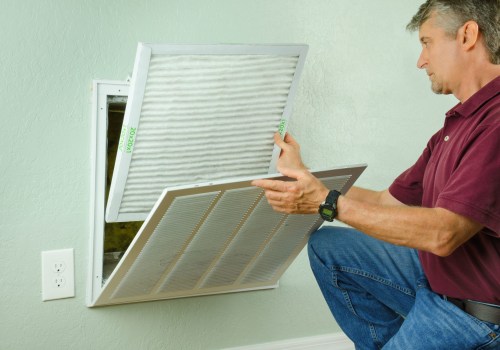
- Open the return vent.
- If the filter looks dusty or gray, replace it now.
2. Set a Monthly Reminder
- Mark your calendar to check or change your filter every 30 days in summer.
3. Stock Up on Filters
- Choose pleated filters for better air quality.
4. Watch for Warning Signs
- Weak airflow? Higher bills? Odd noises?
- These could mean your system is struggling—time for a check-up.
5. Schedule a Tune-Up
- A clean filter + professional service = better performance all season.
Tip: Don’t wait until there's a problem. Stay ahead with simple, regular steps.
Frequently Asked Questions (FAQ)
1. How often should I replace a 30x30x1 air filter during the summer?
You should replace it every 30 days during summer months. High AC usage, indoor allergens, and outdoor dust buildup can clog filters quickly, reducing efficiency and air quality.
2. Can I wait longer than 30 days if I don’t use my AC that much?
If your system runs infrequently, and your home has no pets or allergies, you might stretch it to every 45–60 days. However, we still recommend checking the filter monthly to be safe.
3. What happens if I don’t replace my air filter on time?
A clogged filter can cause:
- Reduced airflow
- Higher energy bills
- Poor indoor air quality
- System strain or breakdowns (like frozen coils or motor damage)
4. How do I know if my air filter needs replacing?
Look for these signs:
- The filter looks gray, dusty, or visibly dirty
- AC struggles to cool your home
- Airflow feels weak
- Allergies seem worse indoors
5. What type of 30x30x1 filter should I use?
Use a high-quality pleated filter with a MERV rating between 8 and 13. This strikes a balance between capturing dust and allergens without over-restricting airflow.
Learn more about HVAC Care from one of our HVAC solutions branches…
Filterbuy HVAC Solutions - West Palm Beach FL
1655 Palm Beach Lakes Blvd., Ste 1005 West Palm Beach, FL 33401
(561) 448-3760
https://maps.app.goo.gl/VarpgNZnxuPQuW8A7